
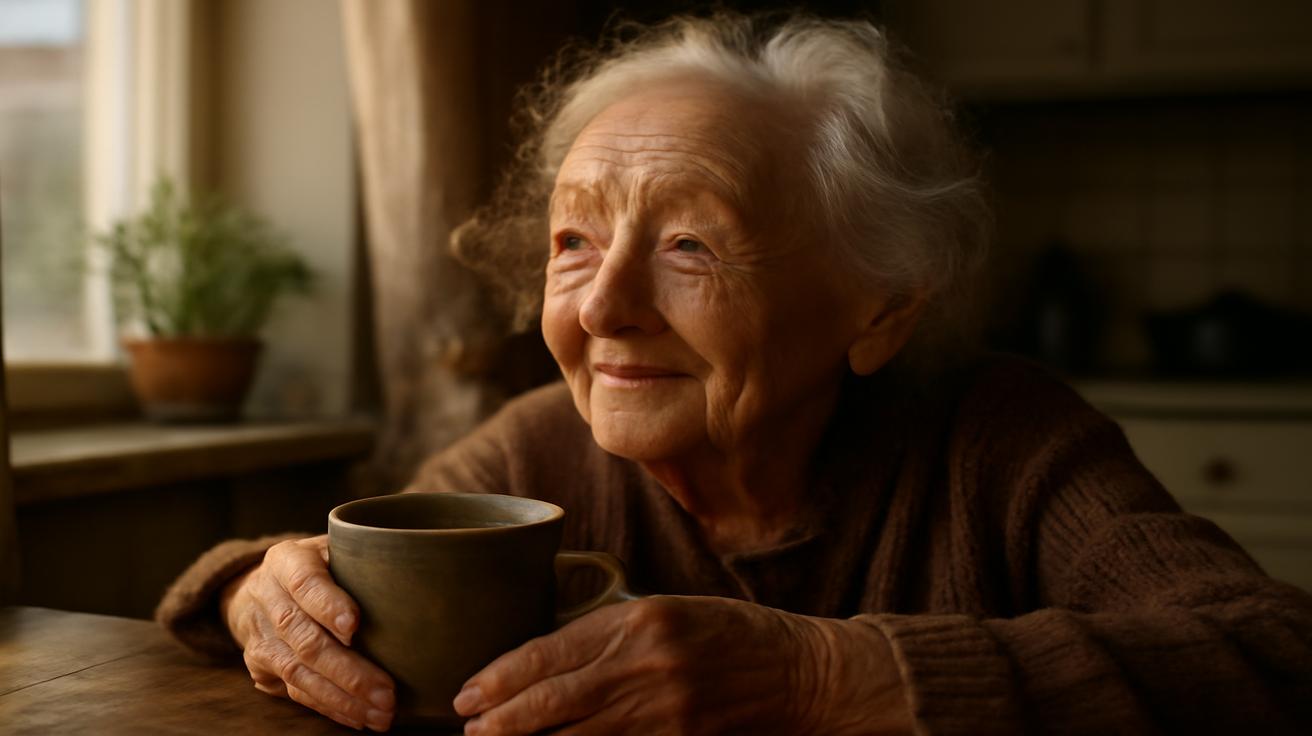
The first thing you notice is the sound: a slow, confident simmer, like a whispering creek trapped in a pot. The kitchen smells faintly of earth after rain, of toasted spices and something sweet and clean you can’t quite name. At a small wooden table near an open window, a woman in a blue cardigan—97 years old, if you can believe it—wraps her hands around a warm mug and closes her eyes as if she’s greeting an old friend.
“This,” she says, “I’ve had almost every day for more than seventy years.”
It isn’t coffee. It isn’t wine. It’s not some neon wellness shot or glossy bottled drink with impossible promises printed on the label. It’s a simple daily ritual, steeped and stirred and sipped slowly. And according to people like her, scattered quietly across the world’s longevity hotspots, it might just be one of the most overlooked habits of people who live past 100.
The Quiet Ritual in the World’s Longest-Living Corners
If you trace a map across the world’s “longevity pockets”—those places where centenarians pop up with surprising frequency—you’ll notice something funny. The languages change, the landscapes shift from sun-baked coastline to misty mountain terraces, but one detail repeats like a refrain: older people drinking something warm, herbal, and homemade, every single day.
In a fishing village on the Greek island of Ikaria, it might be a steaming cup of mountain tea made from wild herbs that look like weeds to an untrained eye. In the hills of Sardinia, a shepherd pours a small pot of rosemary and lemon peel brew. On a wind-swept Okinawan porch, a tiny porcelain cup of jasmine-scented green tea is refilled again and again, the liquid glowing pale as early morning light.
Different plants. Different flavors. But the story behind them is strikingly similar: a daily drink, prepared with care, shared with others, and taken slowly. Ask the elders why they drink it, and they don’t say “for antioxidants” or “for gut health.” They say things like, “It settles me,” or “This is what we always had,” or simply, “It makes me feel good.”
Science, of course, has arrived with measuring tools and research papers, peering into cups and analyzing what’s inside. But the heart of this story starts with a more human question: what if the daily drink of centenarians isn’t just about what’s in the mug—but the life that forms around it?
The Daily Drink Revealed: More Than Just Tea
To give this drink a name is tricky, because it isn’t just one recipe. It’s closer to a pattern: a warm, plant-based infusion—usually herbs, spices, flowers, or leaves—consumed once or several times a day, often unsweetened or lightly sweetened, and almost always made fresh.
Still, there is a clear favorite running through many long-lived cultures: simple herbal infusions, often combined with green or lightly fermented teas. Not the tired tea bag you forgot in the drawer three years ago—but vibrant, fragrant leaves and bits of plant, often grown nearby or even picked by hand.
Imagine this daily drink as a flexible template, something like:
- A base: hot water, occasionally light tea (like green or white), or roasted barley or corn in some regions.
- A support cast: herbs like rosemary, sage, thyme, chamomile, mint, lemon verbena, jasmine, hibiscus, ginger, or turmeric.
- A gentle accent: maybe lemon peel, a drizzle of honey, or a few fresh leaves from the garden.
At first sip, it feels comfortingly simple. But your senses quickly wake up: the sharp perfume of rosemary, the softness of chamomile, the citrusy lift from lemon zest, the faint bitterness that makes your mouth water and your body lean forward as if to say, “More, please.” It’s surprisingly delicious in a way that doesn’t shout—more like a song you hum without realizing.
To help you picture it, here’s a sample “long-life cup” many centenarians would nod at approvingly, even if they don’t make it exactly this way:
| Ingredient | Purpose | Sensory Notes |
|---|---|---|
| Hot water (250–300 ml) | Hydration, warmth | Soft, comforting base |
| Green tea (1 tsp loose or 1 bag) | Gentle caffeine, antioxidants | Grassy, fresh, lightly bitter |
| Fresh rosemary (1 small sprig) | Circulation, aromatic oils | Piney, resinous, invigorating aroma |
| Lemon peel or slice | Vitamin C, flavor lift | Bright, citrusy, clean finish |
| Honey (optional, 1 tsp) | Gentle sweetness, throat-soothing | Floral, warm, rounded sweetness |
Steeped together for a few minutes, it becomes a drink that feels both old and new: ancient in its simplicity, modern in the way it supports what we now call “wellness.”
The Science Woven into Every Sip
While elders rarely talk in biochemical terms, science has been quietly catching up to their habits. When researchers study long-lived people, a few threads keep reappearing in their cups.
Antioxidant-rich plants. Green tea, jasmine, rosemary, sage, and many wild herbs are loaded with polyphenols and other compounds that help neutralize oxidative stress—the slow, everyday wear and tear on your cells. It’s not a magical shield against aging, but more like daily housekeeping for the body.
Warmth that calms the nervous system. Warm drinks have a gently sedative effect on the body, especially when paired with calming herbs like chamomile, lemon balm, or lavender. Many centenarians drink their herbal infusions in the evening, as a natural wind-down ritual that signals, “The day is done. You’re safe to rest.”
Better digestion. Bitter and aromatic herbs—rosemary, mint, fennel, ginger—stimulate digestion and help the body break down food more efficiently. In places where meals are hearty but processed foods are rare, these daily drinks act like quiet helpers, supporting a gut that keeps working decade after decade.
Blood sugar and heart support. Regular tea drinking, especially green and herbal blends, has been linked in numerous studies to healthier blood pressure, more stable blood sugar, and improved blood vessel function. Many of these plants gently encourage blood flow and keep inflammation in check.
But maybe the most powerful ingredient in those mugs isn’t something you can measure with a lab test. It’s slowness. It’s the act of stopping in the middle of a day, or at the end of one, to heat water, wait for it to boil, breathe in the steam, and sit for five or ten minutes doing “nothing” but sipping.
In an age of constant alerts and bottomless scrolling, that kind of pause is a radical act. And over the span of a lifetime, repeated thousands and thousands of times, it becomes a thread of calm woven through the chaos of years.
How Centenarians Actually Drink It (Hint: Not in a Rush)
In Sardinia, a shepherd returns from the hills at dusk, sun still glowing on his skin. He fills a dented metal kettle, tosses in a handful of wild herbs he picked along the path—rosemary, maybe a little thyme—and lets it boil while he stows his tools. He drinks from a chipped mug, standing in the doorway while the sky goes from gold to deep blue.
In Okinawa, an elderly woman in a flowered blouse sits with her neighbors under the eaves of a low house, the air soft with humidity. A pot of green tea rests between them, never far from reach. They talk, laugh, complain about their knees, pour each other refills without asking. The tea is just there, a constant companion to their conversations, like second nature.
In Ikaria, a grandmother with strong hands measures out dried sage and mountain tea—tiny yellow blooms on slender stems—into a pot of simmering water. The smell is wild and honeyed, like sun-warmed hills. Her grandchildren roll their eyes at the bitterness, but they drink it anyway. “You’ll thank me when you’re old,” she tells them.
The pattern is unmistakable:
- The drink is made fresh, not pre-bottled.
- It’s consumed daily, or almost daily, often for decades.
- It’s rarely gulped alone in front of a screen; it’s sipped with company, conversation, or quiet.
- It’s modest—no giant sugary cups or artificial flavors.
There’s nothing flashy here. But there is something steady and enduring, the way stones in a river shape the flow of water without making a sound.
Crafting Your Own “Long-Life Cup” at Home
You don’t need wild hillside herbs or porcelain cups passed down from great-grandparents to bring this ritual into your life. You just need a small pocket of time, a kettle, and a willingness to choose something gentle over something instant.
Step 1: Choose Your Base
Start with what feels right for you:
- Green tea for a soft lift of energy and a grassy, refreshing note.
- Herbal-only for evenings or caffeine-free days: chamomile, lemon balm, mint, rooibos, or a blend.
- Light roasted grains (like roasted barley tea, popular in parts of Asia) for a toasty, nutty flavor without caffeine.
Step 2: Add a “Longevity Herb” or Two
Look for herbs that are both enjoyable and traditionally cherished:
- Rosemary: sharp, piney, uplifting.
- Sage: grounding, slightly peppery, warming.
- Mint: cooling, bright, belly-soothing.
- Ginger: spicy, warming, great for cold days.
- Lemon verbena or lemon balm: light, citrusy, relaxing.
You don’t need much—just a small sprig of fresh herb or a pinch of dried leaves can transform the whole cup.
Step 3: Give It a Gentle Accent
This is where the drink becomes uniquely yours:
- A strip of lemon or orange peel for brightness.
- A teaspoon of honey if you like sweetness (especially soothing in the evening).
- A few jasmine flowers for floral aroma, if you can find them.
- A small pinch of cinnamon for warmth and a dessert-like feel.
Pour just-boiled water over everything, cover, and let it steep for 3–7 minutes, depending on how strong you like it. Then strain, inhale the steam, and sip slowly.
The Subtle Art of Making It a Daily Habit
What truly connects you to the centenarians’ ritual isn’t the exact herb you choose; it’s the regularity and the quality of your attention when you drink it.
Think about when you most need an anchor in your day. Is it the bleary-eyed first hour after waking? The sharp dip mid-afternoon when your inbox feels like a landslide? The restless stretch before bed when your brain insists on replaying the day in loops?
Choose one of those moments and plant your drink ritual there like a flag. For example:
- Morning: Green tea with a slice of lemon and a small sprig of rosemary while you stand by a window and just notice the light.
- Afternoon: Mint and ginger infusion after lunch instead of another coffee, giving your digestion a quiet ally.
- Evening: Chamomile, lemon balm, and a teaspoon of honey in a favorite mug, phone in another room, maybe a book or just the sound of the house settling.
At first, it might feel like “just tea.” But the body remembers. The nervous system begins to recognize the pattern: the warmth, the scent, the sense of pause. Over time, this simple act becomes a signal of safety and care, the opposite of the low-level panic many of us treat as normal.
Is this, by itself, a magic ticket to 100 years? No. Longevity is a tapestry woven from many threads: food, movement, community, purpose, luck. But this daily drink is one of the few threads you can begin weaving today, easily, without an overhaul of your entire life.
A Drink That Tastes Like a Future You Might Love
Picture yourself decades from now. Your hands may be a little slower, the world perhaps stranger and louder than ever. But imagine there is still this: a kettle, a cup, the scent of something green and clean rising with the steam.
Maybe you’ll have a favorite blend you can make with your eyes closed: a bit of green tea, a lemon slice, a leaf of rosemary, a calming flower or two. Maybe you’ll have taught a child or a friend how to make it. Maybe, as you sit down in a patch of afternoon light, someone will ask you the same question:
“You really drink this every day?”
And you’ll smile into your cup, remembering all the versions of yourself who made this same simple choice, day after day after day. You might not talk about antioxidants or heart health. You might just say, “It makes me feel good. It’s how I start (or end) my day.”
In a world that tries to sell you health in expensive, complicated packages, there’s something quietly rebellious about that. Boiling water. A handful of plants. Time. Attention. A small, delicious act of care that doesn’t require an app, a subscription, or a slogan.
That’s the daily drink so many centenarians swear by—not because someone told them it would add years to their lives, but because it made the years they were living feel a little softer, a little clearer, a little more worth savoring.
And somewhere in that gap, between “living longer” and “living well,” a warm mug waits in your kitchen, ready to be filled.
Frequently Asked Questions
Is there one specific “centenarian drink” I should copy?
No single recipe is universal. The common thread is a daily warm infusion of plants—often herbs and mild teas—prepared fresh, sipped slowly, and woven into a calm moment of the day. Use what is available, safe, and enjoyable for you.
Can I drink coffee instead?
Coffee can be part of a healthy life for many people, and some long-lived cultures do drink it. But the centenarian-style drink is usually gentler, less stimulating, and often consumed later in the day without disrupting sleep. You can enjoy coffee AND adopt a daily herbal or green tea ritual.
How much should I drink each day?
Most people in longevity regions drink one to three modest cups per day. You don’t need huge quantities; consistency matters more than volume. Start with one meaningful cup a day and see how your body responds.
Are there any safety concerns with herbal drinks?
Yes, especially if you have medical conditions, take medications, are pregnant, or are breastfeeding. Some herbs can interact with medications or be unsafe in large amounts. Stick to well-known culinary herbs (like mint, rosemary, ginger, chamomile) and consult a healthcare professional if you’re unsure.
Do I have to drink it hot, or can it be iced?
Most traditional longevity drinks are warm, which supports relaxation and digestion. However, you can chill leftover infusion and drink it cold, especially in hot weather. Just try to keep at least one warm, unhurried cup in your day if you can.
Is honey necessary, or should I avoid sweeteners?
Honey is optional. Many centenarians drink their herbal infusions unsweetened or only lightly sweetened. If you enjoy honey and don’t need to limit sugars for medical reasons, a small teaspoon can make the drink more comforting without overwhelming it.
How long does it take to notice any benefits?
You might feel calmer or more settled after the very first cup, simply from the warmth and pause it creates. Deeper benefits—better digestion, a steadier nervous system, a sense of rhythm in your days—emerge over weeks and months of quiet, consistent practice.






Leave a Comment