
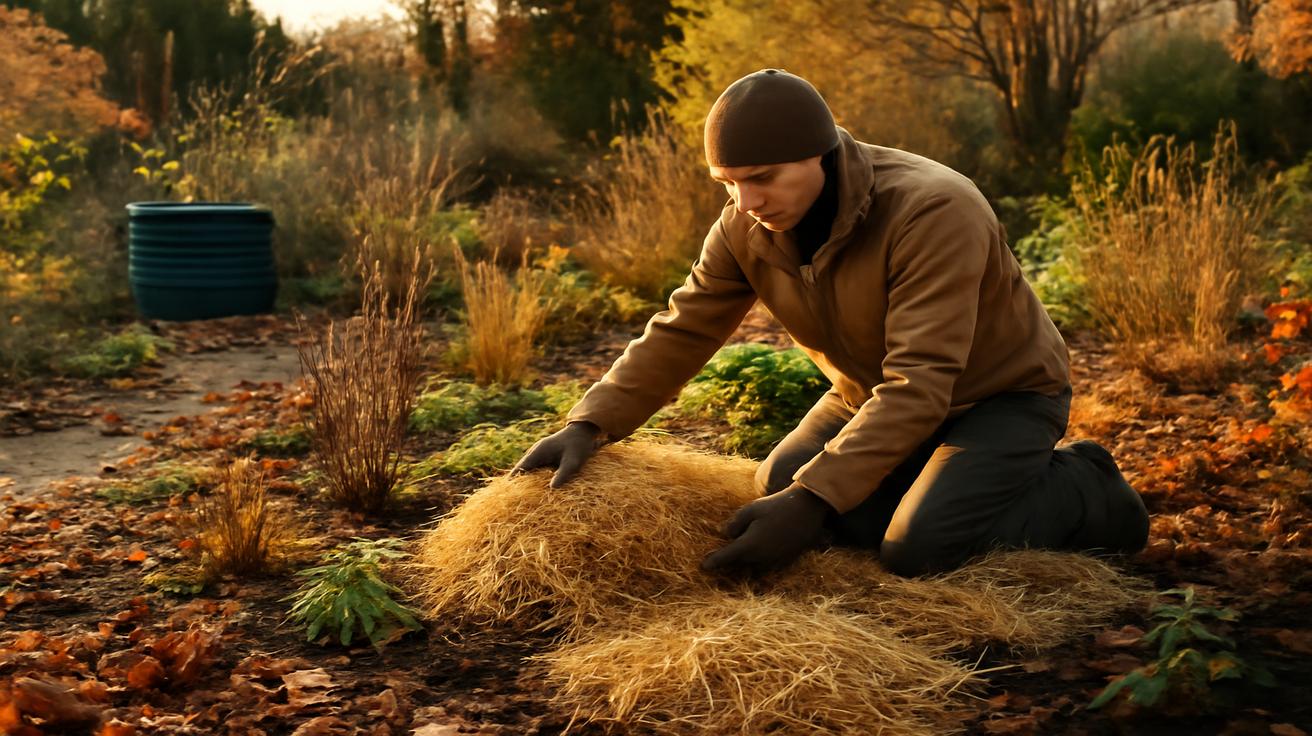
By the time the first chill fingers of autumn slide under the door, your garden is already whispering its secrets. Leaves crisp underfoot, the air smells faintly of wood smoke and damp earth, and the slant of the afternoon sun suddenly feels softer, more forgiving. It’s easy to think of this season as an ending—a gentle slide into dormancy. But out in the beds and borders, something quieter and more important is happening. Roots are still growing, soil life is still bustling, and the way you care for your plants now will decide how boldly they wake in spring. Autumn is not the closing chapter; it’s the prologue to next year’s flourishing garden.
The Quiet Work Of Autumn: Why Now Matters
Stand in your garden on a cool October morning and pause. You’ll notice how the light pools differently, how the dew lingers on blades of grass, how the soil feels cooler but not yet cold. On the surface, things seem to be winding down—flowers fading, foliage yellowing, seed heads nodding in the wind. Yet below the soil line, your plants are still at work, pushing roots deeper, storing energy, preparing to outgrow themselves next year.
This is why autumn care matters more than most gardeners realize. While spring is all frenzy and visible growth, autumn is strategic. Roots respond to milder temperatures and more consistent moisture. Fewer pests are on the move. You can shape the future of your garden with calmer, more deliberate hands.
When you add mulch now, adjust drainage, or trim carefully, you’re not just “putting the garden to bed.” You’re setting a table for the coming seasons—a table where every plant has the conditions it needs to thrive. Autumn is when you decide whether spring will be a nervous scramble or a comfortable, satisfied smile as new shoots emerge exactly where you hoped.
Mulching: A Warm Blanket For Roots And Soil
If you’ve ever pulled aside a layer of leaves in late autumn and felt the softness and warmth beneath, you’ve witnessed nature’s own mulching system. Mulch is more than a cosmetic top layer; it’s the bridge between wild forest floors and our carefully tended beds. Applied thoughtfully in autumn, mulch becomes a quiet, reliable ally for your plants.
Choosing The Right Mulch For Autumn
You don’t need anything fancy. In fact, the best mulches are often the simplest and most natural:
- Shredded leaves: Free, abundant, and beloved by soil life. They break down over winter and enrich the earth by spring.
- Composted bark or wood chips: Excellent for perennial borders, shrubs, and trees. They decompose slowly and help regulate temperature.
- Garden compost: A nutrient-rich top dressing that doubles as a thin mulch layer, perfect around vegetables and flowers.
- Straw (not hay): A good option for vegetable beds; it insulates without matting too heavily if applied in modest layers.
What you want to avoid are heavy, matting materials laid on too thick, or anything treated with dyes or unknown chemicals. Autumn mulch should breathe, not smother.
How, When, And Where To Mulch
Timing is everything. Wait until the soil is just starting to cool, but not frozen—often late autumn, after a few light frosts. Mulching too early can invite pests to take up winter residence or keep soil unnecessarily warm, confusing certain perennials.
Aim for a layer about 5–8 cm thick. Spread the mulch gently around the base of each plant, but keep it from touching stems and trunks. That small “collar” of bare soil around the base helps prevent rot and discourages rodents or insects from nesting right against your plants.
Imagine wrapping a scarf—not so tight that it constricts, not so loose that it falls away. Good mulching is like that: a comforting layer that protects, moderates, and quietly feeds your garden as winter settles in.
Drainage: Keeping Roots Out Of Cold Water
Winter doesn’t only bring cold; it brings water—rain, snow, sleet, freeze-thaw cycles. The enemy of many plants is not low temperature alone, but cold, standing water trapped around their roots. If you’ve ever lost a lavender, rosemary, or a beloved perennial for no apparent reason, suspect soggy soil.
Reading The Signs Of Poor Drainage
You don’t need lab equipment to understand your soil; your senses are enough. Watch for:
- Puddles that linger days after a rain.
- Soil that feels sticky, heavy, and slow to dry.
- Moss thriving where sun-loving plants struggle.
- Plants yellowing from the base or rotting at the crown.
On a rainy day, step outside and observe where water naturally collects and where it runs off. Your garden will show you its habits if you let it.
Small Tweaks, Big Difference
You don’t always need major landscaping to improve drainage. Often, it’s a series of modest interventions:
- Lightly raise planting areas: Even lifting a border by 5–10 cm using compost and topsoil can help water move away from sensitive roots.
- Add organic matter: Compost and leaf mould help heavy clay soils form better structure, balancing moisture retention and drainage over time.
- Use gravel wisely: A thin under-layer of coarse gravel or grit in planting holes for Mediterranean herbs, bulbs, or alpine plants can prevent waterlogging at the root zone.
- Redirect water flow: Simple shallow channels or subtle slopes can guide excess water toward areas or beds that tolerate more moisture.
In autumn, the soil is often soft enough to reshape, but not so dry that it crumbles. It’s the perfect time to quietly nudge your garden toward better drainage before winter storms arrive.
Essential Autumn Care: Cleaning, Trimming, And Protecting
Autumn in the garden is part gentle housekeeping, part selective editing. The goal is not to erase all signs of decay—many fading stems and seed heads feed birds and shelter beneficial insects—but to remove what could harbor disease, invite rot, or collapse into a cold, soggy tangle.
What To Cut Back, And What To Leave
Walk through your garden with a pair of clean, sharp pruners. Look closely:
- Remove: Blackened, mildewed, or clearly diseased foliage. These can spread problems over winter if left in place.
- Trim lightly: Herbaceous perennials that have flopped onto paths or are trapping moisture against healthier plants.
- Leave standing: Sturdy perennials with attractive seed heads—coneflowers, grasses, sedums. They offer winter structure, food for birds, and shelter for insects.
For roses, fruit trees, and shrubs, remove any dead, damaged, or crossing branches. Think of it as a pre-winter tune-up: you’re not pushing plants into lush new growth, just removing what’s clearly not serving them.
Soil Surface Care
Underfoot, the story is just as important. Rake up thick, matted layers of leaves from lawns and from the crowns of low-growing plants. Pile them up somewhere out of the way to become future leaf mould—the soft, dark, crumbly goodness your soil will love in a year or two.
Then, look for compacted soil in frequently walked areas. A simple fork pressed into the ground and gently rocked back and forth can open air channels, helping water move down instead of pooling. This small effort pays off through winter, when every drop of water either perks up roots or threatens to smother them.
Looking After Pots, Bulbs, And Special Characters
Not all garden dwellers face winter in the same way. Pots, bulbs, and borderline-hardy plants ask for a little extra consideration as the temperatures fall. Their needs are simple once you understand them, but ignoring them can turn spring into a season of losses.
Container Plants: Above-Ground Roots Need Extra Care
Plants in containers experience more extreme temperature swings. Their roots are not insulated by the ground, and water can either evaporate too quickly or freeze solid. To help them through:
- Raise pots off the ground: Use pot feet, bricks, or wooden slats so excess water can drain freely.
- Cluster pots together: Grouping them near a house wall or fence offers shelter from wind and sharp frosts.
- Check drainage holes: Ensure they’re not clogged with roots or compacted soil.
- Mulch the surface: A light layer of bark, compost, or straw on top of the soil in pots helps buffer temperature changes.
Bulbs: Sleeping Beauty Under The Soil
Autumn is bulb season—the time to tuck promise into the ground. Daffodils, tulips, crocuses, alliums: they’re your future bursts of color. For them, drainage is absolutely critical. Bulbs sitting in cold, wet soil are more likely to rot than freeze.
Plant bulbs in soil that feels crumbly rather than sticky, at a depth roughly three times the bulb’s height. Add a sprinkle of grit or sand beneath each bulb in heavy soils to give water somewhere else to go. Once planted, a thin layer of mulch helps moderate temperature, but don’t bury them under thick, soggy material.
Borderline Hardy Plants
Every garden has its divas: the tender rosemary you’re pushing one zone too far, that fig in a pot, the young shrub not yet fully established. For these:
- Mulch generously around their base, without touching the stem.
- Consider wrapping pots with burlap or fleece in very cold climates.
- Shelter them from prevailing winter winds if possible.
A little extra protection now can spare you from replanting and disappointment later.
Planning Ahead: Matching Care To Your Garden’s Needs
Every garden has its own personality—its sunny corners, shady retreats, boggy patches, and wind-battered edges. Autumn is the season when those personality traits become obvious. The lawn that stays damp longest. The border that never seems to dry. The bed where perennials thrive no matter what you do.
Rather than wrestling your space into submission, autumn invites you to listen and respond. Perhaps that stubbornly soggy corner wants to be a place for moisture-loving plants, while the gravelly path edge begs for thyme and sedum. Your mulching, drainage tweaks, and autumn clean-up should follow the story your garden is already telling.
Simple Autumn Care Planner
Use this quick-reference table to match your plants and spots in the garden with the care they most need this season:
| Garden Area / Plant Type | Autumn Mulch | Drainage Check | Extra Care Tips |
|---|---|---|---|
| Perennial borders | 5–8 cm leaf mould or composted bark | Watch for pooling after rain | Cut back only diseased or collapsing growth |
| Vegetable beds | Straw or garden compost | Fork compacted areas lightly | Remove all diseased plant debris |
| Pots and containers | Thin layer of bark or compost | Ensure drainage holes are clear | Raise pots on feet, cluster in sheltered spots |
| Bulb areas | Very light mulch, not too thick | Mix grit into heavy soil | Plant at correct depth, avoid waterlogged spots |
| Shrubs & young trees | Wide mulch ring, 5–8 cm deep | Check slope around base | Keep mulch away from trunk to prevent rot |
Seen this way, autumn care is less a checklist and more a quiet conversation between you and your soil, your plants, your climate. Every garden is a bit of an experiment, and autumn is when you set up the conditions for the next round.
Letting Autumn Do Its Work
There’s a moment, late in the season, when the garden feels suspended between two worlds. The urgent growth of summer has passed, but true winter hasn’t yet closed its fist. This is your window. Spread the mulch. Adjust the drainage. Tidy, but not too much. Protect, but don’t suffocate.
When you press your hands into the cool soil and smell that deep, earthy scent, you’re part of a much longer rhythm than a single growing season. The leaves you shred and scatter now will become dark humus that feeds roots for years. The pathways you dig for water to escape will let future plants stretch deeper. The bulbs you nestle into the ground will rise on some bright morning when you’ve almost forgotten you planted them.
In the end, preparing your autumn plants for a flourishing year is about trust—trusting that small, thoughtful actions in a quiet season can shape an exuberant, living spring. As the light fades earlier each day, know that beneath the mulch, beneath the cooling earth, your garden is not sleeping. It’s getting ready.
Frequently Asked Questions
How thick should autumn mulch be around my plants?
Aim for a layer of about 5–8 cm. Too thin and it won’t protect roots or suppress weeds; too thick and it can trap excess moisture and invite rot or pests. Always keep mulch a few centimeters away from stems and trunks.
Is it okay to use fresh leaves as mulch?
Yes—shredded leaves make excellent autumn mulch. Whole leaves, however, can mat together, especially when wet, creating a dense layer that blocks air and water. Shred them with a mower or shredder first, or pile them separately to decompose into leaf mould for future use.
How do I know if my soil has a drainage problem?
Check after heavy rain. If water sits on the surface for more than a day, or the soil feels sticky and heavy long after the weather has cleared, drainage is likely poor. Yellowing, rotting, or stunted plants in those areas are another clue. Improving structure with organic matter and gently reshaping the surface can help.
Should I cut all my perennials back in autumn?
Not necessarily. Remove diseased, blackened, or collapsed growth, but consider leaving sturdy stems and seed heads for winter interest and wildlife. Many insects overwinter in hollow stems, and birds rely on seeds and shelter. A partial tidy is often better than a complete clear-out.
Do container plants need mulch too?
A thin layer of mulch on the surface of container soil helps insulate roots and moderate temperature swings. Combine this with good drainage—clear holes, pot feet, and sheltered placement—to give potted plants the best chance of coming through winter strong.
When is the best time in autumn to do all this work?
The sweet spot is usually after a few light frosts, once plants have started to slow but before the ground freezes solid. In many regions, that falls between mid-autumn and late autumn. Work with your local climate and what you see in your own garden rather than the calendar alone.






Leave a Comment