
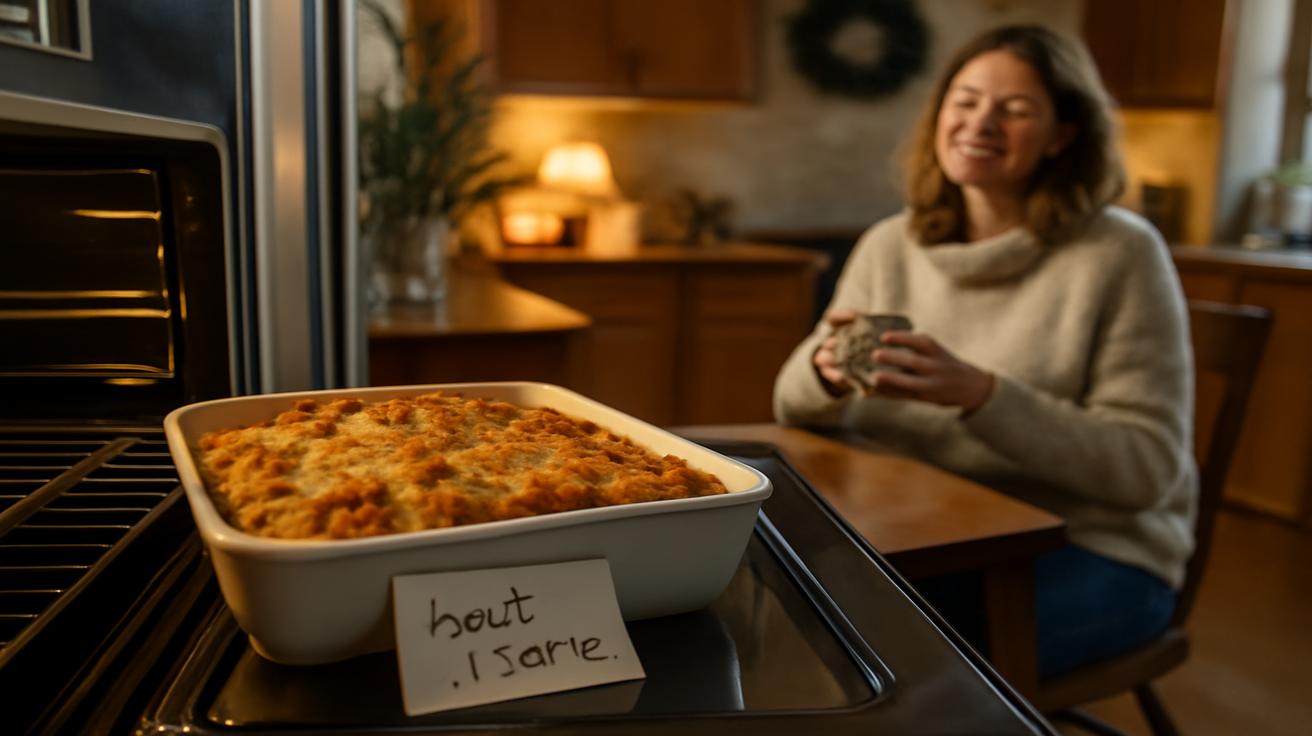
The first snow always seems to arrive on a day when I’m unprepared. The sky folds into a low gray lid, the light disappears before I’ve even thought about dinner, and suddenly I’m standing in the kitchen at 5:30 p.m., still in my coat, wondering what on earth to make. Years ago, that first really cold week of winter felt like the start of a months-long scramble—overcrowded grocery carts, rushed meals, too many last-minute decisions. Then one particularly icy December, I stumbled onto the one quiet ritual that now carries me through the season: a single, simple winter dish I always prepare in advance, the one that makes my evenings feel slow and generous, even when the rest of the day has been anything but.
The Winter Evening That Changed My Cooking
It started on a Tuesday, the sort of sharp, breath-fogging day when the air smells faintly metallic and your fingers never really warm up, no matter how long you press them around a mug. The forecast had promised “light flurries.” The sky, of course, had other plans.
By late afternoon, the world outside my window looked blurred and muffled, as if someone had turned down the volume on the entire neighborhood. Streetlights glowed in soft halos. Cars rolled by as quiet silhouettes. I should have been rinsing vegetables or stirring something on the stove, but instead I just stood there, watching the snow fall in thick, determined flakes.
I knew my friends would arrive in an hour. We’d planned a small midweek dinner—four adults, two kids, and the kind of casual intention you never really follow through on unless there’s food involved. The problem: I hadn’t cooked a single thing. Not one onion chopped, not one pot on the burner. My shoulders already felt tense at the thought of racing through a complicated recipe while trying to look relaxed and welcoming.
My fridge, on the other hand, was much more prepared than I was. That Sunday, in a quiet burst of organization, I had tucked away a large ovenproof dish—layered, sauced, and completely uncooked. I’d almost forgotten about it, the way a squirrel forgets where it buried half its winter stash. It was my “just in case” experiment: a make-ahead winter bake of root vegetables, beans, and sausage, nestled under a blanket of garlicky, herbed breadcrumbs and cheese.
That night, with snow piling on the window ledge, I slid it straight from the fridge into the oven, turned the dial, and stepped away. No chopping, no juggling pans, no mental math. Just the slow creak of my muscles relaxing while the house began to fill with the smell of roasted garlic, thyme, and something deep and toasty, like the culinary equivalent of putting on a wool sweater.
The Dish That Waits Patiently in the Fridge
Calling it a “casserole” never quite feels fair, because that word tends to conjure up images of beige, anonymous food. This winter dish has more presence than that. It feels like an edible patchwork quilt: layers of sweet, caramelizing root vegetables, silky beans, and hearty sausage or mushrooms, all tucked beneath a crust that turns audibly crisp at the edges.
The magic, though, isn’t just in how it tastes—it’s in how it behaves. It waits for you. It forgives your schedule. You assemble it when you have time, when the kitchen is calm and you still have the mental bandwidth to taste the sauce and maybe hum along to some music. Then, on those dark evenings when your energy evaporates with the daylight, you simply bake it. No flurry of activity, no leaning over cutting boards while your guests hover awkwardly in the doorway.
Imagine this: you walk in from the biting wind and your kitchen is already tidy. The only task left is turning on the oven and lighting a candle. You shed your scarf, kick off your boots, and listen to the low whoosh of the gas or the gentle beep of the electric coil coming to life. The dish goes in. You pour yourself something to drink—not because you’re stressed, but because there’s suddenly time for small, luxurious gestures.
By the time the doorbell rings or the kids come clattering down the stairs, the air is dense with the scent of roasted vegetables and savory herbs. The top is bronzed and bubbling around the edges, the corners just beginning to crisp. You didn’t have to scramble to get here. The work is already folded into the dish, waiting underneath that crust, ready to reveal itself as you lift the first spoonful.
How I Build My Winter “Evening Saver” Dish
I think of this dish as a template more than a strict recipe—reliable structure, infinite variations. Once you understand its bones, you can bend it toward whatever flavors you’re craving or whatever is rolling around in your pantry.
At its core, my make-ahead winter bake is four things:
- Soft, substantial base (usually root vegetables and onions)
- Protein to keep it satisfying (beans, sausage, or mushrooms)
- A flavorful sauce or broth to tie it together
- A golden, crunchy top that makes it feel festive
On a quiet Sunday, I’ll pull out my largest baking dish—the heavy one that makes a deep, contented thud when I set it down. I slice sweet potatoes, carrots, maybe some parsnips, and tumble them in, listening to the soft clatter against enamel. Thinly sliced onions go in next, like paper streamers, promising sweetness once the heat gets to them.
Into a pan go coins of smoky sausage (or thick-sliced mushrooms if I’m cooking vegetarian), sizzling in a little olive oil until they deepen in color and perfume the kitchen with that unmistakable “something good is happening” smell. I stir in garlic, thyme, and a pinch of red pepper flakes. Deep in winter, those tiny flecks of heat feel almost medicinal—like they’re warming you from the inside out.
I pour in broth and sometimes a splash of cream, scraping up all the browned bits from the pan, and then ladle this over the waiting vegetables. Cannellini or butter beans follow, bringing a soft, velvety heft. Finally, I shower everything with a mixture of breadcrumbs, grated hard cheese, and chopped herbs, the mixture like fragrant snow drifting down in crunchy, savory drifts.
And then—here’s the secret—I stop. I cover the dish, label it with the date, and slide it into the fridge. No need to bake it yet. The flavors spend the next day or two quietly mingling, getting to know one another. When I finally slide it into the oven on a cold evening, it feels less like cooking and more like unveiling something that has been patiently becoming itself in the dark.
My Go-To Base Ingredients (And How I Swap Them)
Part of the reason this dish has become my winter ritual is how forgiving it is. I can adjust based on what I have, how busy I am, or who’s coming to dinner. Over the years, certain combinations have become trusted favorites, almost like familiar winter coats I pull from the closet at the first sign of frost.
| Component | My Favorite Choices | Easy Swaps |
|---|---|---|
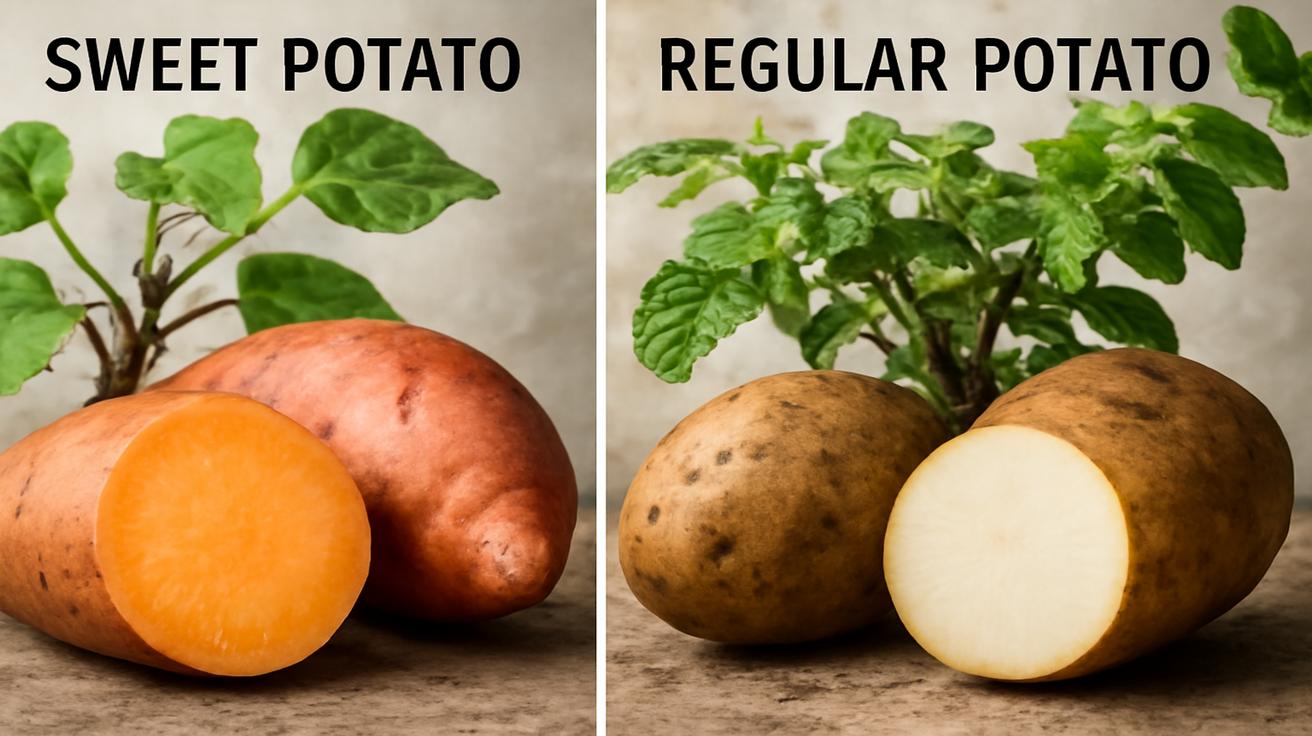
| Root Veg Base | Sweet potato, carrot, parsnip | Potato, celeriac, butternut squash |
| Alliums | Yellow onion, garlic | Leeks, shallots |
| Protein | Smoked sausage, cannellini beans | Chickpeas, lentils, mushrooms, shredded chicken |
| Liquid/Sauce | Chicken broth + splash of cream | Vegetable stock, tomato passata, coconut milk |
| Topping | Breadcrumbs, hard cheese, herbs | Crushed crackers, oats, nutty parmesan-free mix, gluten-free crumbs |
I don’t measure much when I make it—another reason it feels like an exhale rather than a task. I build it by instinct now, layering colors and textures, trusting that the alchemy of slow heat and good ingredients will do its quiet work. If it looks generously full and a little bit messy going into the fridge, I know it’ll emerge from the oven as something cohesive and comforting.
Why Preparing It Ahead Feels Like a Gift to My Future Self
What I love about this dish isn’t only that it tastes like winter wrapped in a blanket. It’s the way it alters the shape of my days. There’s a small, almost secret pleasure in knowing I’ve already cared for my future self—or my future guests—before the chaos of the week begins.
On Sunday afternoons, when the light thins but the day still feels stretchable, I put on a sweater that smells faintly of woodsmoke from last week’s walk, and I cook slowly. There’s time to let onions sweat until they turn glassy and golden. Time to lean into the hiss and sputter of sausage in the pan. Time to taste the broth, adjust the salt, and add just a bit more thyme than seems necessary because I know that in two days, when I’m tired, I will be deeply grateful for that extra, invisible effort.
Then, midweek, when work has been demanding and all I want is a quiet corner of the couch, I remember the waiting dish. Instead of starting from scratch in a cold kitchen, I move through a gentle, almost ceremonial three-step rhythm: oven on, dish in, lights dimmed. The stress that used to cling to weeknight dinners—those rushed, slightly frantic attempts to “throw something together”—simply doesn’t arrive.
Guests notice the difference, too. They walk into a home that already smells like dinner, without seeing evidence of a culinary battlefield. I’m not darting between stove and sink while apologizing for the mess. I’m on the sofa with them, drink in hand, listening instead of half-listening. We actually have space for those meandering conversations that only seem to happen when everyone feels unhurried.
The Moment the Oven Door Opens
There’s a small, theatrical moment every time I serve this dish. The timer dings. I pull open the oven door, and a wave of scented heat rolls out—garlic, roasted vegetables, the nutty-salty edge of melted cheese. The top is a map of textures: deep mahogany at the corners, burnished gold across the center, here and there a darker island of crisped crumb.
The first spoonful is always my favorite. The crackle as the serving spoon breaks through the crust, the soft sigh of steam escaping, the way the layers tip and tumble onto a plate in comforting, imperfect heaps. Carrot coins stained deeper orange, sweet potato melting at the edges, beans just barely holding their shape. Sometimes someone leans in closer without realizing, drawn by the aroma and the promise of heat.
It never looks fussy. That’s part of its charm. This isn’t “chef” food; it’s hearth food. The kind that forgives even the most casual plating. A spoonful over a bed of peppery greens, or next to a tangle of simply dressed cabbage, or alongside a hunk of good bread—that’s it. Dinner is done.
And yet people always, always comment. “What is in this?” they ask between bites. “It tastes like… winter, but brighter.” Or “I can’t believe you made this on a weeknight.” That’s when I get to confess my secret: I didn’t.
Making It Your Own (Because You Should)
If you try this dish once, you’ll likely find yourself wanting to bend it toward your own habits and cravings. That’s where it gets fun. You can steer it toward Mediterranean warmth with tomatoes, olives, and rosemary, or into something almost French country with leeks, white wine, and Dijon folded into the cream. You can leave out meat entirely and let mushrooms and beans do the heavy lifting. You can add kale or chard in a final, last-minute flourish, letting the leaves wilt under the heat of the just-baked dish.
What matters most is that you claim it—not just as a recipe, but as a rhythm. A weekend hour of grounding, sensory work. A weeknight of ease and warmth. It becomes a small, personal ceremony: the act of tucking something away for later, like stacking firewood or folding extra blankets at the end of the bed.
Every winter, mine changes a little. Some years it leans heavily on squash and sage. Other years I find myself grating in lemon zest at the last minute, needing that flicker of brightness on deep January nights. But the bones are always the same: something hearty, something saucy, something crunchy on top. And always, always prepared in advance, waiting in the cold quiet of the fridge until the night I need it most.
The Quiet Luxury of a Stress-Free Winter Evening
We talk a lot about comfort food, but not enough about comforting routines—the small rituals that make a whole season feel gentler. This winter dish has become one of mine. It’s less about the exact list of ingredients and more about what it does to the shape of my evenings, the way it turns dinnertime from a scramble into a soft landing.
There’s a kind of quiet luxury in pulling a fully assembled dish from the fridge and knowing that the hardest part of dinner is already over. I light a candle on the table and let its flame wobble against the gathering darkness outside. Sometimes I sit at the counter with a book while the oven hums, turning pages slowly, the sound of roasting vegetables a faint, background crackle. Other nights, I put on music and let myself do nothing in particular until the timer rings.
By the time we sit down to eat, the day’s edges have blurred a little. The cold outside feels less like a threat and more like a reason to be exactly where we are: hands wrapped around warm plates, shoulders relaxing, conversation unspooling like steam from the dish in the center of the table.
Year after year, it’s always the same reaction. Someone asks for seconds. Someone else leans back with that contented, sleepy satisfaction that only comes from truly hearty food. And almost without fail, a guest will eventually say, “You’ll have to send me this recipe.” I usually smile and nod, but what I really want to send them is the whole ritual: the slow Sunday preparation, the midweek relief, the simple act of caring for your future tired self.
Because that’s the real magic of this winter dish. It’s not just something I cook. It’s a promise I make to myself at the beginning of each cold week: that when the evenings come early and the air bites and my shoulders sink under the weight of the day, there will be at least one small corner of life that is already taken care of. Waiting quietly in the fridge. Ready to turn, at the twist of an oven knob, into warmth.
FAQ
How far in advance can I prepare this dish?
Generally, you can assemble it 1–2 days in advance and keep it covered in the fridge. If you’re including cooked meat, aim to bake it within 24–36 hours for best quality and food safety.
Can I freeze it before baking?
Yes. Assemble the dish without the breadcrumb topping, wrap it tightly, and freeze for up to 2–3 months. Thaw in the fridge overnight, add the topping, and then bake until bubbling and golden.
How do I reheat leftovers?
Reheat in the oven at a moderate temperature until warmed through, loosely covered with foil to protect the top. For a crisper crust, remove the foil for the last few minutes.
Is it easy to make this vegetarian or vegan?
Very. Swap sausage for mushrooms or extra beans, use vegetable stock, and choose a plant-based cream (or skip it and rely on a richer stock). For vegan, use olive oil and a dairy-free topping instead of cheese and butter.
What should I serve alongside this dish?
A simple green salad, lightly dressed greens, or crusty bread works beautifully. The dish is quite hearty, so light, fresh sides make a nice contrast to its richness and warmth.






Leave a Comment