
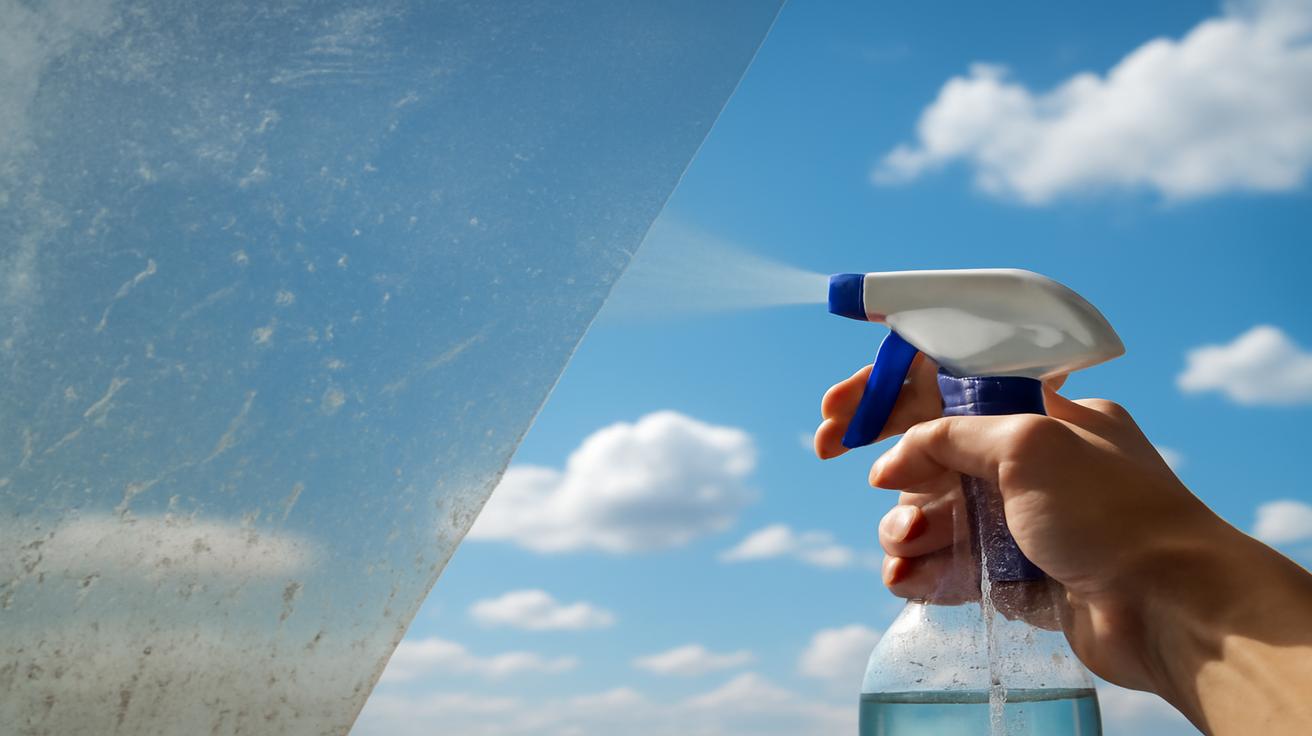
The sun had just slipped past the neighbor’s rooftop when I realized I hadn’t really seen the sky in weeks. It was there, of course—golden and sprawling—but my kitchen window turned it into a dull, hazy watercolor. Every smudge, every run of dried rain, every ghostly fingerprint softened the light until it felt like I was living behind a permanent gray filter. I know you’ve seen it too—that moment when the low afternoon sun hits your window just right and suddenly every streak, every spot, every forgotten drip-line appears in unforgiving detail. And you think: I should clean those. Then you remember the spray bottle under the sink, the smell that bites the back of your throat, the endless wiping and re-wiping that somehow still leaves behind those little zebra stripes on the glass. So you shrug, look away, and tell yourself you’ll get to it “this weekend.”
The Day I Declared War on Streaks
My own breaking point came on an ordinary Tuesday. I was making coffee, watching a pair of sparrows argue over a crumb on the balcony, when the light cut across the glass at just the wrong angle. The window was a mess. Not disastrously dirty—just streaky. Lines from the last time I “cleaned” it with a brand-name glass spray that promised brilliance and clarity and something called “crystal shine technology.” In reality, it delivered a faint chemical cloud and a patchwork of smear marks that only appeared when the light was best.
I pressed my forehead to the cool glass and thought: there has to be a better way. Something simpler. Something that doesn’t smell like a car repair shop and doesn’t leave me arm-wrestling paper towels. It felt almost embarrassing that in a world where people send rockets into space and grow herbs on windowsills in January, I still hadn’t cracked the code on a streak-free pane of glass.
That afternoon I made a decision: no more store-bought window sprays. I would find a homemade recipe that actually worked—not “almost,” not “good enough,” but that genuine, clean, invisible-glass look that makes you feel like a house in a magazine, if only for a moment.
The Simple Little Mixture That Changed Everything
The answer, it turns out, was hiding in the quiet corners of my kitchen: a bottle of vinegar, a jug of water, a dash of alcohol, and a single drop of dish soap. It sounded too humble, too old-fashioned, like something your grandmother might mutter while tying on an apron. But that’s exactly what caught my attention. Generations don’t cling to recipes that don’t work.
So I tried it. I measured, I mixed, I shook the bottle, a little skeptical, half expecting to be disappointed and end up with foggy glass and the faint scent of salad dressing. Instead, something quietly miraculous happened. I wiped once, twice, and the glass cleared as if a curtain had been pulled back from the outside world. The streaks didn’t fight back. The spots surrendered at first contact. It felt almost rude how easily the dirt let go, like it hadn’t been that committed to living there in the first place.
And the best part? No sharp, synthetic smell. The scent of vinegar faded in minutes, replaced by nothing at all—just clean air and clear light. It was as if my windows exhaled.
The Exact Recipe (So You Don’t Have to Guess)
Here’s the version that has earned a permanent place under my sink—and in a simple spray bottle that I’m no longer ashamed to leave in plain sight.
| Ingredient | Amount | Why It Helps |
|---|---|---|
| Warm water | 300 ml (about 1 ¼ cups) | Dilutes everything and helps dissolve dust and grime. |
| White vinegar | 200 ml (about ¾–1 cup) | Cuts mineral deposits, spots, and old cleaner residue. |
| Rubbing alcohol (70% or similar) | 60 ml (about ¼ cup) | Speeds up drying and prevents streaks. |
| Mild dish soap | 1–2 small drops | Breaks greasy fingerprints and oily film. |
Pour the water, vinegar, and alcohol into a spray bottle, then add just one or two drops of dish soap. Not a squeeze, not a glug—literally drops. Too much soap is one of the sneaky reasons homemade cleaners leave streaks. Tighten the lid, give it a gentle swirl, and your streak-busting potion is ready.
Why This Works When So Many Other Things Don’t
There’s a quiet satisfaction in understanding the “why” behind the “wow.” On the surface, this mixture looks almost primitive next to those glossy bottles with shiny labels and words like “professional-grade” printed in silver. But every ingredient in your homemade cleaner has a clear job to do, and together they are quietly ruthless.
The vinegar is the peacemaker between your glass and the minerals that have insisted on clinging to it. Hard water leaves tiny deposits that don’t show up until sunlight hits them, like chalk dust on a black sweater. Vinegar, being acidic, loosens those deposits and dissolves the faint cloudiness you might not even realize is there until it’s gone. That dull film from past store-bought cleaners? Vinegar goes after that too.
Then there’s the alcohol. If vinegar is the patient negotiator, alcohol is the quick getaway driver. It helps the liquid evaporate faster and more evenly, giving streaks less time to form as water slowly dries and leaves behind residues. It’s the reason the glass feels like it dries almost behind your cloth, instead of five minutes later.
And the dish soap—used in truly tiny amounts—is your secret agent against fingerprints, cooking grease, and that invisible oily sheen that somehow floats through the air and lands on everything, especially near kitchens. Without a touch of soap, windows often look clean until you tilt your head and catch that faint, smeary glow in certain angles of light.
What you don’t have in this bottle is just as important as what you do. No artificial fragrance that lingers in the air, no colorful dyes, no extra detergents or waxes designed to make things feel “ultra polished” but that actually dry into faint films. The result is glass that simply disappears. Not shiny, not scented, not coated—just gone, leaving only whatever’s outside.
The Way You Wipe Matters (But It’s Easier Than You Think)
Of course, even the best recipe can’t defeat a sad, lint-shedding rag. The first time I tried the mixture, I reached for a random old towel and immediately saw tiny threads clinging to the glass like static ghosts. Wrong move. The fix was simple: the right cloth.
Microfiber cloths are the quiet heroes of streak-free glass. Finely woven, lint-free, thirsty for moisture—they turn the job into something almost graceful. One cloth to apply the spray, another dry cloth to finish. Your movements don’t need to be vigorous; you’re not scrubbing a pot. Think of it more like smoothing wrinkles out of fabric.
Here’s a simple rhythm that turns window cleaning into a near-effortless ritual:
- Spray a light mist on the glass—don’t drown it; more liquid often means more streaks.
- Use the first microfiber cloth in slow, overlapping motions, either side-to-side or up-and-down.
- Switch to the second, dry cloth and lightly buff the glass—like polishing an apple. This is where the magic happens.
If you’re working with big windows, especially outside, a squeegee can feel almost luxurious. Wipe the blade dry between each stroke, work from top to bottom, and finish any edges with a corner of your cloth. The effort is minimal, but the satisfaction of one long, clean sweep of glass is almost meditative.
Choosing the Perfect Moment: Timing Is Everything
There’s a quiet art to choosing the right time to clean your windows, and it has nothing to do with your schedule and everything to do with the sun’s. I once made the mistake of enthusiastically cleaning my windows at noon on a clear, hot day. The sun blasted through the glass, the cleaner dried almost as soon as it landed, and I was left with streaks so sharp they looked like someone had drawn on the window with a highlighter.
Now I clean in stolen moments: early morning, when the world is still stretching itself awake, or late afternoon, when the light softens and slants. Cloudy days, too, are quiet allies—no glare, no rushing against the sun to wipe faster than the liquid can evaporate.
It’s not just about streaks; it’s about how it feels. There’s something oddly calming about standing at a window in gentle light, cloth in hand, watching smudges vanish while birds trace patterns across the sky outside. Cleaning becomes less of a chore and more of a private little ritual, an excuse to stand still and look outward for a few unhurried minutes.
The First Clean Is the Biggest Leap
If your windows have been through years of sprays, fog, dust, and casual neglect, the first homemade-cleaner session might feel like peeling away layers of history. That’s normal. You’re undoing old residues, stubborn mineral tracks from long-ago rain, and the mysterious smears you don’t remember making.
Sometimes, that first pass with your new mixture uncovers marks you couldn’t see before—tiny scratches, maybe, or hardened old drips you never noticed. Don’t get discouraged. Think of it as meeting your windows again for the first time, seeing them as they truly are. A second pass with the cleaner often clears away everything that first round loosened. After that, maintenance is almost laughably easy.
Now, I no longer wait for a “cleaning day.” If I walk past a window and notice a nose print (thank you, dog) or the arch of a child’s fingertip, I grab the bottle, a cloth, and in thirty seconds it’s gone. The barrier between inside and out stays invisible, the way glass was meant to be.
Little Tweaks to Make the Recipe Your Own
Once you’ve seen how well the basic recipe works, it’s tempting to start tinkering with it, the way you might play with a favorite soup or cake. And you can, gently, as long as you respect the balance that keeps it streak-free.
If you’re sensitive to the smell of vinegar, even though it fades quickly, you can soften it a bit. A few ideas, used sparingly:
- Add a small strip of fresh lemon peel to the bottle for a light, natural scent.
- Drop in a single drop (two at most) of a mild essential oil like lavender or sweet orange.
- Use slightly more water and slightly less vinegar, as long as you’re not battling very hard water spots.
Remember: this isn’t a perfume; it’s a cleaner. Strong fragrances, even natural ones, can leave behind their own faint films if you overdo them. Think whisper, not shout.
You can also adjust for specific situations. For example, outside windows that face a busy road might collect more oily pollution and grime. In that case, you can lean a little on the dish soap—two drops instead of one, maybe three—but don’t go wild. Always test on a smaller pane first until you see how the glass likes it.
One of the quiet joys of this homemade solution is its versatility. I’ve used the same bottle on mirrors, glass shower doors, chrome taps, and the glass front of a framed print that had slowly gone cloudy over the years. As always, spray onto the cloth, not directly onto artwork or electronics, and wipe with a gentle touch. There’s something satisfying about one simple bottle doing so much, so well.
Goodbye to Streaks, Hello to Light
There’s a moment, after you finish cleaning a window, when you step back and almost forget the glass is there. The trees outside look a little crisper, the sky a little closer, details you hadn’t noticed—like the curve of a branch or a tiny nest tucked in a gutter—suddenly appear. It doesn’t change your life, not dramatically, but it does change the way the day feels.
Clean, streak-free windows are one of those quiet, low-drama luxuries that make a home feel tended to, even if there’s a pile of laundry waiting somewhere out of view. And knowing that clarity came from a handful of simple, honest ingredients from your own kitchen somehow makes it sweeter.
I sometimes think of that first Tuesday when I stood, forehead against stained glass, frustrated by the faint zebra stripes that refused to leave. Now, the same window feels like a living picture frame, changing with the seasons: spring’s bright green on the branches outside, summer’s heavy blue skies, autumn’s slow burn of gold and rust, winter’s pale silver mornings. All of it visible. All of it sharp.
There’s something deeply human about wanting to see clearly—through our thoughts, our days, our literal windows. And every time I pick up that humble spray bottle and watch the streaks dissolve without a fight, I feel like I’m saying a small, quiet goodbye to unnecessary complication. Goodbye to harsh fumes and wasted paper towels. Goodbye to streaks that steal the light. Goodbye to the idea that simple can’t be effective.
In their place: a clear pane, a soft cloth, a little homemade magic, and the wide, welcoming world just outside the glass.
Frequently Asked Questions
Does the vinegar smell linger after cleaning?
Only briefly. The scent of vinegar is noticeable while you’re spraying and wiping, but it fades quickly—usually within a few minutes—especially if a window or door is open. The alcohol in the mix helps it evaporate faster, leaving no lasting odor behind.
Can I use this homemade cleaner on tinted or coated windows?
In most cases, yes, but it’s wise to check the manufacturer’s recommendations first. For factory-tinted or specially coated glass (like some energy-efficient windows or car windows), test the cleaner in a tiny, inconspicuous corner first and avoid scrubbing aggressively.
Is it safe to use on mirrors and glass shower doors?
Yes. This recipe works beautifully on mirrors and shower doors. For mirrors with delicate backing, spray the cleaner onto your cloth instead of directly on the glass to avoid liquid seeping behind the edges.
Can I skip the rubbing alcohol if I don’t have any?
You can, but drying will be slower and streaks are slightly more likely, especially in warm or humid conditions. If you leave out the alcohol, be sure to use very little liquid and buff well with a dry microfiber cloth.
How long does a batch of this cleaner keep?
Stored in a closed spray bottle at room temperature, the mixture is generally fine for several weeks. Shake gently before each use, especially if it’s been sitting for a while. If it ever looks cloudy or smells “off” in a way that isn’t just vinegar, make a fresh batch.
Will this cleaner damage wooden window frames or sills?
No, as long as you don’t soak the wood. Spray the cleaner onto the glass or the cloth, not onto the frame, and wipe up any drips promptly. A slightly damp cloth and a light touch are all you need to keep the wood safe.
What kind of cloth should I avoid?
Avoid paper towels that shed lint, rough rags that can drag dirt or scratch, and anything heavily scented with fabric softener, which can leave films behind. Plain, clean microfiber cloths or tightly woven cotton are your best allies for truly streak-free glass.








Leave a Comment