
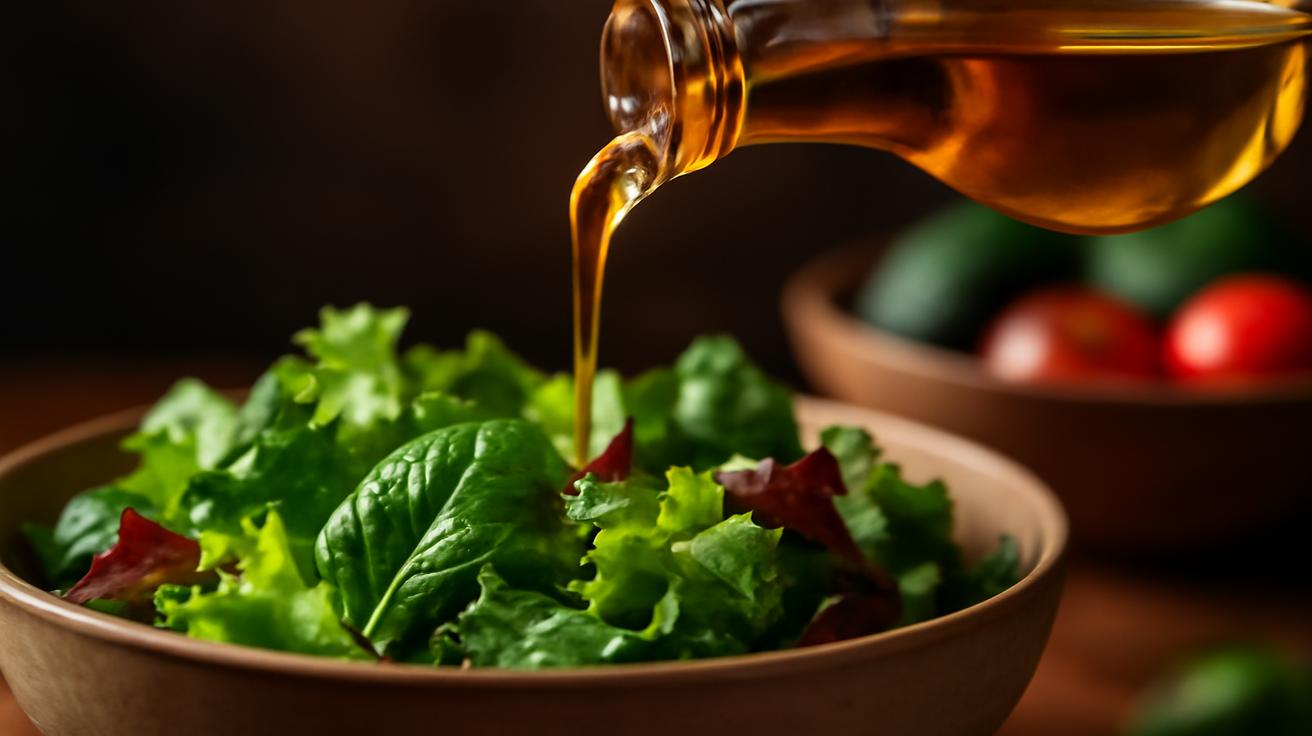
The bottle stands there like a half-finished sentence on your kitchen counter—green glass catching the morning light, a slick ring of gold clinging to its rim. Olive oil. You probably bought it with some vague promise to yourself: more salad, less takeout, a little extra drizzle of “healthy” over your life. It has that Mediterranean myth woven into it: stone terraces, silver-leaved trees, a fisherman somewhere grilling fish at sunset. It feels timeless, pure, almost sacred.
But lately, as prices creep up and labels grow more confusing, that bottle starts to look less like a hero and more like a question mark. Is this really the best you can do—for your wallet, for your health, for the smoky little sizzle in your pan? Or is it time to say a gentle, respectful goodbye to olive oil as the default answer, and meet an alternative that’s humbler, cheaper, and quietly, surprisingly powerful?
The Day the Bottle Ran Out
The shift often begins not in a doctor’s office or a scientific study, but in a small domestic crisis: you tilt the olive oil bottle over a waiting pan and… nothing. Just a thin, resigned drip and the hollow clink of glass when you shake it too hard. No backup bottle in the pantry. No time to run to the store.
So you open the cupboard and take stock. Maybe you see the usual suspects: a cheap cooking oil you bought for baking, a lonely jar of coconut oil stiff as candle wax, a small bottle of sesame oil you use twice a year. And then there’s one plain, unglamorous container, often half-hidden behind jars of beans and rice—clear or pale yellow, usually inexpensive, often overlooked:
Canola oil.
It doesn’t come with mythology. No stone presses, no romantic vineyards. Just fields of bright yellow flowers waving under a huge sky, and a name that sounds more like a factory than a farm. And yet, if you care about your heart, your budget, and the way your food tastes and behaves in the pan, this might be the quiet hero you’ve been ignoring.
Meet the Unsung Hero: Why Canola Oil Steps In So Well
The idea of saying “goodbye” to olive oil feels almost disloyal. It’s been so carefully marketed as liquid health. But once you look under the cork, you discover a more nuanced story—and a surprisingly strong case for canola oil as the healthiest and cheapest everyday alternative.
The Health Story: More Than Just Hype
If you could zoom in on a teaspoon of canola oil the way a scientist sees it, you’d find something quietly elegant:
- Very low in saturated fat—typically around 7%, less than olive oil.
- High in monounsaturated fats—the same “good fats” that made olive oil famous.
- A useful dose of omega-3 fats—tiny but meaningful allies for your heart and brain.
The balance of fats in canola oil has been studied for decades. Major heart-health organizations often put canola alongside olive oil on the list of smart, cardioprotective choices. These aren’t miracle cures; they’re steady nudges in the right direction—less artery-clogging fat, more of the flexible, fluid kind that helps your cells, hormones, and nervous system keep humming.
Meanwhile, olive oil—especially extra virgin—does offer beautiful polyphenols and antioxidants, especially when used raw. But those special compounds aren’t invincible. At higher cooking temperatures, many of them fade or break down. The generous splash you pour into a 400°F pan isn’t the same gentle elixir that drizzles over a salad.
So for everyday cooking, the difference in practical health benefits shrinks, and canola holds its ground—and sometimes edges ahead thanks to its very low saturated fat content and omega-3 profile.
Cost: The Quiet Reality in the Aisle
Stand in the oil aisle at any supermarket and you can almost feel the price gradient as your eyes move from left to right. On one side, tall proud bottles of extra virgin olive oil—beautiful, imported, and often expensive. On the other, no-frills jugs of canola oil, their labels less poetic but their price tags gentler.
In most regions, canola oil is significantly cheaper per liter or ounce than a decent-quality olive oil. And when you start cooking at scale—baking bread, roasting trays of vegetables, stir-frying, meal-prepping for the week—that difference stops being theoretical. It becomes the gap between stretching your budget and silently resenting every glug of that $20 bottle disappearing into the pan.
Canola oil invites you to be generous. To roast carrots without mentally calculating the cost of every drizzle. To pan-fry tofu or fish without the tiny wince that sometimes comes with using “the good oil.” And because you’re less precious about it, you may find yourself cooking more from scratch, which, in its own way, is one of the healthiest shifts you can make.
The Taste of Almost Nothing: Why Neutral Isn’t Boring
Olive oil walks into a dish like a guest who demands attention. You feel its fruitiness, its peppery edges, its almost grassy perfume. That’s wonderful when you want it. But not every meal needs a flavor that declares itself so strongly.
Canola oil, on the other hand, is almost invisible on the tongue. That might sound like a flaw, but in the kitchen, it’s a kind of superpower.
Imagine you’re baking a simple lemon loaf. The star should be lemon: bright zest and soft crumb. With a strongly flavored oil, there’s always a slight intrusion. With canola, the oil steps back, letting the citrus speak clearly. The same is true for airy pancakes, crisp-edged potatoes, delicate fish, or golden grilled cheese—canola lets the main ingredients keep center stage.
This neutrality also gives you freedom. You can cook food from any corner of the world—Indian, Japanese, Mexican, Middle Eastern—without dragging Mediterranean olive notes into every pan. Your spices, herbs, and aromatics get to do the storytelling, while the oil quietly manages the heat.
Heat, Smoke, and the Scent of a Working Kitchen
There’s a specific moment in cooking where things teeter between delicious and ruined: when oil hits its smoke point. The pan starts to haze, your eyes sting a little, and the air takes on that acrid, something’s-burning tension. The compounds in the oil begin to break down, and not in a good way.
Olive oil, especially extra virgin, has a relatively modest smoke point. It’s fine for sautéing on gentle to medium heat, but push it too far—especially in a home kitchen where heat control is rarely perfect—and it can start to smoke before your onions even caramelize.
Canola oil handles heat more calmly. With a higher smoke point, it stays clear and composed longer. That matters for:
- Stir-frying on high heat
- Pan-searing tofu, fish, or meat
- Oven-roasting at 400°F (200°C) or above
- Occasional shallow or deep frying
The result? Less burnt flavor. Fewer potentially harmful breakdown products. More golden, evenly cooked food. And a kitchen that smells like dinner, not like something went wrong.
A Quick Comparison at a Glance
| Feature | Olive Oil (Extra Virgin) | Canola Oil |
|---|---|---|
| Typical Price | Higher | Lower |
| Flavor | Distinct, fruity, peppery | Mild, neutral |
| Saturated Fat | Around 14% | Around 7% |
| Omega-3 Content | Low | Moderate |
| Best Uses | Salads, dips, low–medium heat | Everyday cooking, baking, higher heat |
Rituals, Not Rules: How to Shift Without Losing the Magic
Saying “goodbye olive oil” doesn’t mean exiling it forever. Think of it more as redefining roles in your kitchen. Olive oil becomes the special-occasion friend—the one you call when you’re making a bright tomato salad, a silky hummus, a quick herb drizzle over grilled vegetables. Canola becomes the steady roommate, always around, doing the everyday work.
Here’s how that might look in practice:
1. Everyday Sauté, Stir-Fry, and Roast
That weeknight pan of onions, garlic, and vegetables? Switch the bottle. Reach for canola oil. You’ll use less money, handle heat more safely, and taste more of the ingredients themselves.
Roasting a big tray of root vegetables or chickpeas? Toss them in canola oil with salt, pepper, and herbs. They’ll come out blistered and bronzed, with no hint of bitterness from stressed-out oil.
2. Baking Without the Background Noise
Cakes, muffins, quick breads, waffles, even brownies—many of them can be made with oil instead of butter, and canola shines here. It brings moisture without imposing flavor, which means your chocolate tastes more like chocolate, your banana bread actually tastes like banana.
If you’ve ever made olive oil cake, you know its flavor leans into the oil itself. With canola, the cake becomes more of a blank, tender canvas for whatever you add—spices, zest, fruit, or nuts.
3. Homemade Mayo, Dressings, and Sauces
Olive oil has a strong personality in emulsions. Sometimes that’s glorious; sometimes it’s overwhelming or bitter. Canola oil, mild and silky, is perfect for:
- Homemade mayonnaise
- Creamy salad dressings
- Aioli and flavored dips
If you miss the olive oil character, you can blend: mostly canola oil with a small splash of extra virgin olive oil for aroma. That way, you keep costs down and avoid dressings that tip into harshness.
4. Occasional Frying Without the Guilt
Maybe you fry rarely—a batch of crispy potatoes, tempura vegetables, or homemade falafel. Canola oil’s affordability and heat stability make those rare indulgences feel less fraught. You can use a generous amount of oil without feeling like you just sacrificed half a paycheck, and it holds up well to the higher temperatures.
The Quiet Science of Letting Go
Part of what binds us to olive oil is story. The Mediterranean diet is held up as a gold standard, and olive oil sits proudly at its center. But that diet isn’t only about oil; it’s also about lots of vegetables, beans, whole grains, nuts, modest portions of animal products, and a life lived more outdoors than indoors. Oil is a detail in a much bigger painting.
Canola oil doesn’t come with a romance novel attached, but it does come with decades of nutritional research and careful breeding to make it safe and heart-friendly. Modern canola was specifically developed to remove bitter, harmful compounds from older rapeseed varieties, leaving a mild, versatile oil with a strong health profile.
There are genuine questions people raise—about processing, about genetically modified crops, about refinement. These are worth considering thoughtfully. Yet when you step back and look at the overall picture, for most people, the major health leap isn’t choosing between two plant oils. It’s choosing plant oils instead of animal fats, cooking more at home, eating more plants of all kinds, and avoiding trans fats and heavily processed foods.
In that landscape, canola oil doesn’t look like a compromise. It looks like a practical ally: accessible, affordable, easy to use, and kind to your arteries when used in sensible amounts.
Goodbye as a Beginning, Not an Ending
So there you stand again in your kitchen, the once-precious olive oil bottle lighter in your hand, the solid, unassuming canola oil jug waiting nearby. Saying “goodbye” in this story doesn’t mean tossing the green bottle into the recycling and swearing off olive oil forever. It means something softer and more intentional:
Goodbye to olive oil as a reflex.
Goodbye to olive oil as the only “healthy” oil you trust.
Goodbye to the idea that goodness in your kitchen has to be expensive, imported, or dressed up in folklore.
In its place, you welcome a new rhythm:
- Canola oil for the everyday sizzle, the reliable baseline.
- Olive oil for the finishing touches and special raw uses where it truly shines.
Your food will still glisten in the pan. Onions will still soften and sweeten. Bread will still emerge from the oven fragrant and golden. Salads will still shimmer with something that catches the light and brings flavors together. But your heart—both the literal one beating in your chest and the metaphorical one that worries about budgets and long-term health—may feel just a little lighter.
In the end, this goodbye is not about losing a beloved ingredient. It’s about widening the circle of what you trust, bringing a modest, powerful ally into the center of your kitchen. The next time you reach for oil, your hand might surprise you. It will move, almost of its own accord, not toward the romantic green bottle, but toward the quiet, practical one. And in that simple gesture, you’ll be choosing a future where eating well feels less like a luxury and more like a calm, everyday possibility.
FAQ
Is canola oil really healthier than olive oil?
Both are healthy choices compared to saturated fats like butter or lard. Canola oil is lower in saturated fat and contains more omega-3 fats, while high-quality extra virgin olive oil offers beneficial antioxidants when used unheated. For everyday cooking, canola oil is at least as heart-friendly, and often more practical.
Is canola oil safe, considering it’s often refined?
Yes. Food-grade canola oil undergoes refining to remove impurities and off-flavors, a standard process for many vegetable oils. Health authorities generally regard it as safe. If you prefer, you can look for minimally processed or expeller-pressed versions, but even standard canola oil has a strong record of safety.
Can I use canola oil for high-heat cooking?
Yes. Canola oil has a relatively high smoke point, making it suitable for sautéing, stir-frying, roasting, and occasional frying. It tends to handle higher temperatures more calmly than extra virgin olive oil.
Will switching to canola oil change the taste of my food?
Often, it will make your food taste more like itself. Because canola oil is neutral, it doesn’t impose a strong flavor the way olive oil can. You may notice baked goods, delicate fish, and lightly seasoned dishes taste cleaner and more focused on the main ingredients.
Should I stop using olive oil altogether?
No. Olive oil still has a beautiful place in the kitchen, especially for salad dressings, dips, and finishing drizzles where its flavor and antioxidants matter most. The idea is to let canola oil handle most everyday cooking, while olive oil becomes a conscious choice for moments where its unique taste really shines.






Leave a Comment